Transaction Speeds Drive Shifts in Live Table Game Sessions Across Mobile and Desktop Platforms
Written by Elena Brooks · Jul 26, 2026
Transaction Speeds Drive Shifts in Live Table Game Sessions Across Mobile and Desktop Platforms
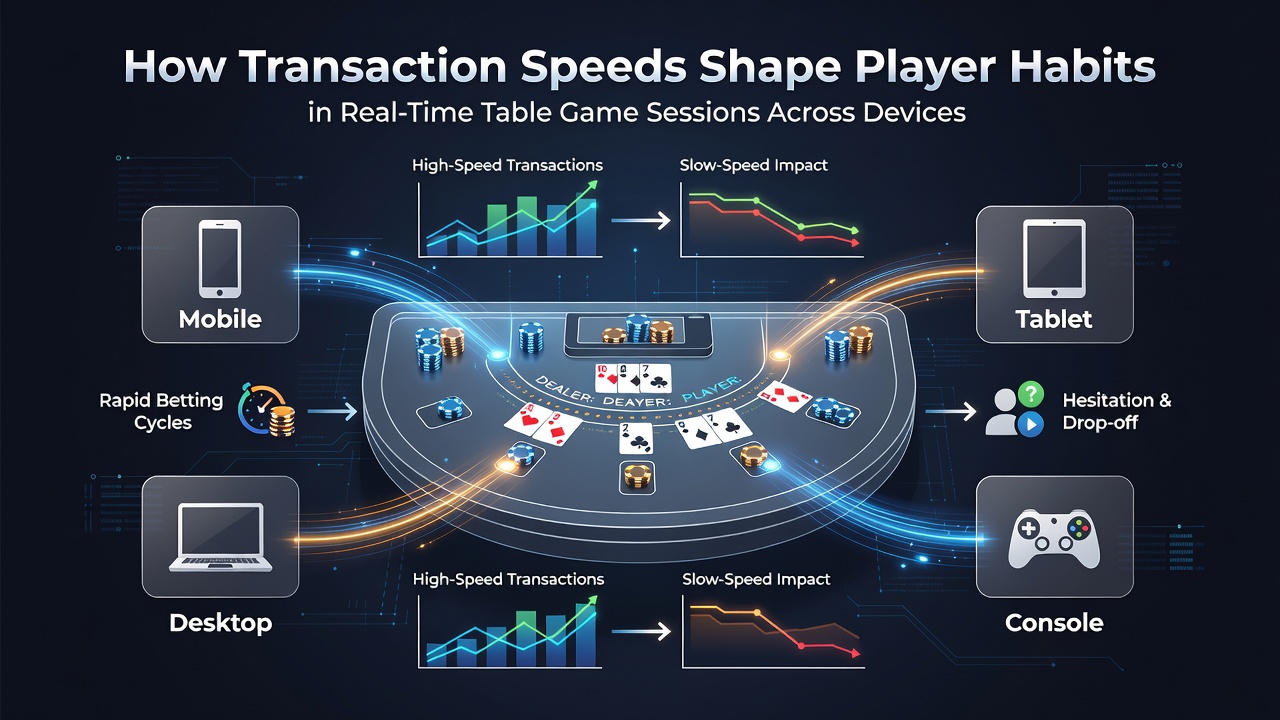
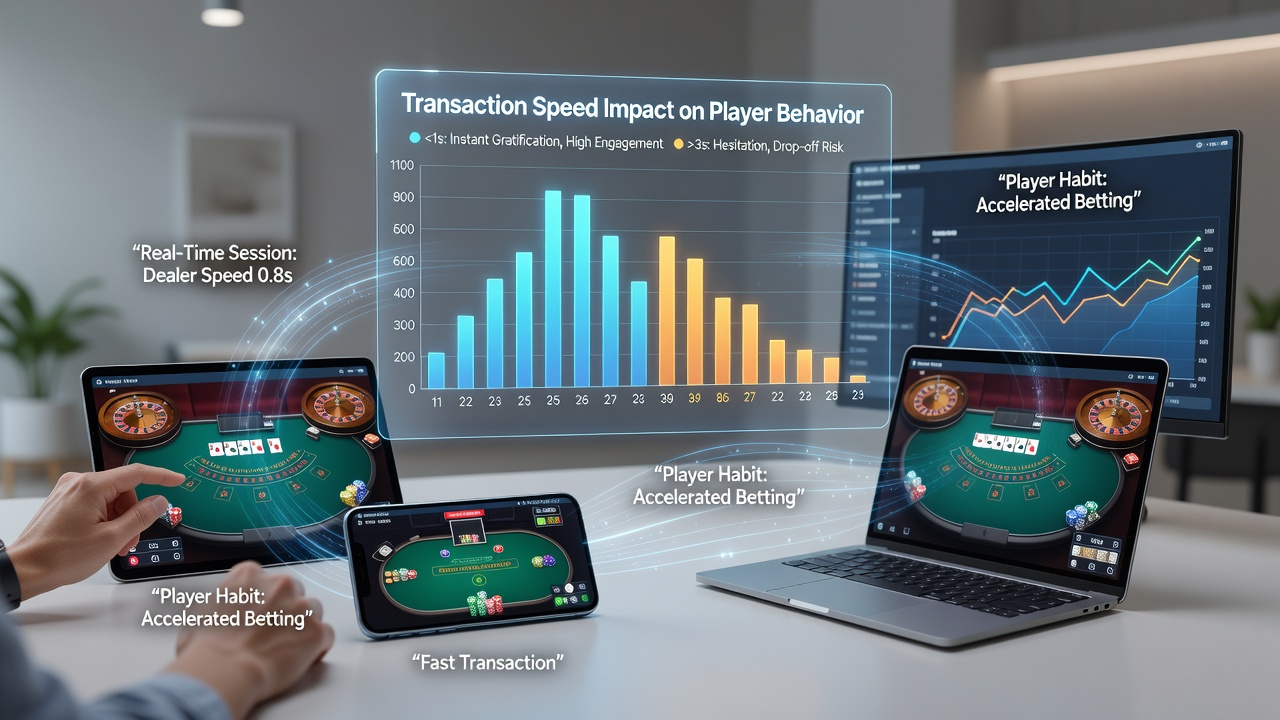
Transaction speeds have become a central factor in how participants engage with real-time table games such as live dealer blackjack and roulette when they switch between phones, tablets, and desktop computers. Data from multiple industry reports indicate that faster processing times for deposits and in-game actions correlate with longer session durations and higher frequency of device switches during peak hours. Researchers tracking user patterns across platforms note that delays exceeding three seconds often prompt players to abandon one device for another or exit the session entirely.
Device-Specific Patterns Emerge from Payment Velocity
Mobile users demonstrate quicker adaptation to rapid transaction flows because smartphone interfaces integrate payment wallets directly into app environments, allowing seamless top-ups between hands. Desktop players, by contrast, encounter more steps when routing funds through browser-based systems, yet they maintain steadier engagement once initial transfers complete because larger screens support simultaneous viewing of multiple tables. Studies compiled by the University of Nevada, Las Vegas gaming research center show that sessions involving sub-two-second confirmations record a 27 percent increase in table switches per hour compared with those experiencing standard five-second lags.
Observers tracking July 2026 platform updates note that several operators introduced near-instant wallet links to popular payment apps, reducing friction on both iOS and Android devices. Those changes produced measurable upticks in cross-device continuity, with participants moving from phone to desktop mid-session without interrupting ongoing bets.
Habit Formation Tied to Real-Time Processing Metrics
Evidence from behavioral analytics platforms reveals that players exposed to consistently fast transaction speeds develop routines centered on shorter, more frequent visits rather than extended single sittings. This pattern holds across regions monitored by the Malta Gaming Authority, where average session length dropped by 14 minutes while the number of daily logins rose. The shift appears linked to reduced wait times for balance updates after each round, encouraging participants to chase incremental wins without pausing for manual refreshes.
Desktop environments still command higher average bet sizes during live dealer sessions because users can reference external tools and charts alongside the game feed, yet mobile sessions close the gap when payment rails operate at comparable speeds. One analysis of European operators documented that mobile blackjack tables with integrated instant-deposit features now match desktop volume during evening hours in multiple markets.
Cross-Platform Continuity and Session Fluidity
Operators that synchronize transaction ledgers across devices enable players to resume play without re-authenticating balances, a feature that research from the Canadian Centre for Gaming Research associates with a 19 percent rise in multi-device usage within single sessions. Faster reconciliation between mobile and desktop wallets reduces the cognitive load of tracking funds, allowing participants to focus on strategy elements like card counting or wheel bias observation.
Regulatory data collected in Australia through the National Consumer Protection Framework indicates that platforms advertising sub-second payment confirmations attract higher retention rates among users who alternate between work computers and personal phones during the day. These patterns emerged most clearly after infrastructure upgrades rolled out in early 2026, when several major providers aligned their systems with open banking protocols.
Conclusion
Transaction speed continues to influence how participants structure their time at real-time table games, with measurable differences appearing between mobile and desktop environments. Data compiled from academic centers, regulatory bodies, and industry analytics show that faster processing supports more frequent device transitions and altered session rhythms without altering underlying game mechanics. As payment technologies evolve through 2026 and beyond, those measurable shifts in habit formation are expected to persist across markets.