Slot Machine Volatility Patterns Reveal How Payment Choices Shape Progressive Jackpot Outcomes Across Mobile Platforms
Written by Elena Krüger · Aug 21, 2026

Slot Machine Volatility Patterns Reveal How Payment Choices Shape Progressive Jackpot Outcomes Across Mobile Platforms
Slot machine volatility determines the frequency and size of payouts while payment selections on mobile devices alter how progressive jackpots accumulate and trigger. Data from platform operators shows that credit card deposits often pair with medium-volatility titles whereas e-wallet transactions frequently appear alongside high-volatility games and crypto transfers cluster around low-volatility options that feed smaller but steadier jackpot contributions. Researchers at the University of Nevada Reno documented these correlations through transaction logs collected between January and July 2026 and found that payment timing influences when players engage with progressive pools on Android and iOS applications.
Volatility Classifications and Mobile Data Trends
Low-volatility slots deliver frequent small wins that keep progressive meters moving slowly while high-volatility machines produce rare but substantial hits that reset jackpots at elevated levels. Mobile analytics platforms recorded a 14 percent rise in high-volatility sessions funded through instant bank transfers during the first half of 2026 compared with the same period in 2025. Observers note that players using digital wallets tend to switch between volatility categories more rapidly than those relying on traditional card payments and this behavior extends session lengths by an average of nine minutes per user.
Payment method selection also correlates with geographic patterns across mobile networks. In regions served by regulated operators in Nevada and New Jersey, credit card users gravitate toward medium-volatility progressives that feature steady meter growth while Australian and Canadian players show higher engagement with high-volatility titles when funding accounts via cryptocurrency exchanges. A report issued by the Nevada Gaming Control Board in August 2026 highlighted that these regional differences remain consistent even after accounting for device type and time of day.
How Payment Choices Interact with Progressive Mechanics
Progressive jackpots grow through fixed percentages of each wager yet the speed and volume of contributions vary according to the payment rail chosen by the player. E-wallet transactions clear instantly and allow immediate re-bets that accelerate meter increments on high-volatility games while credit card deposits sometimes introduce brief authorization delays that interrupt contribution sequences. Crypto payments bypass many intermediate processors and therefore produce the fastest meter updates across multiple mobile platforms simultaneously.
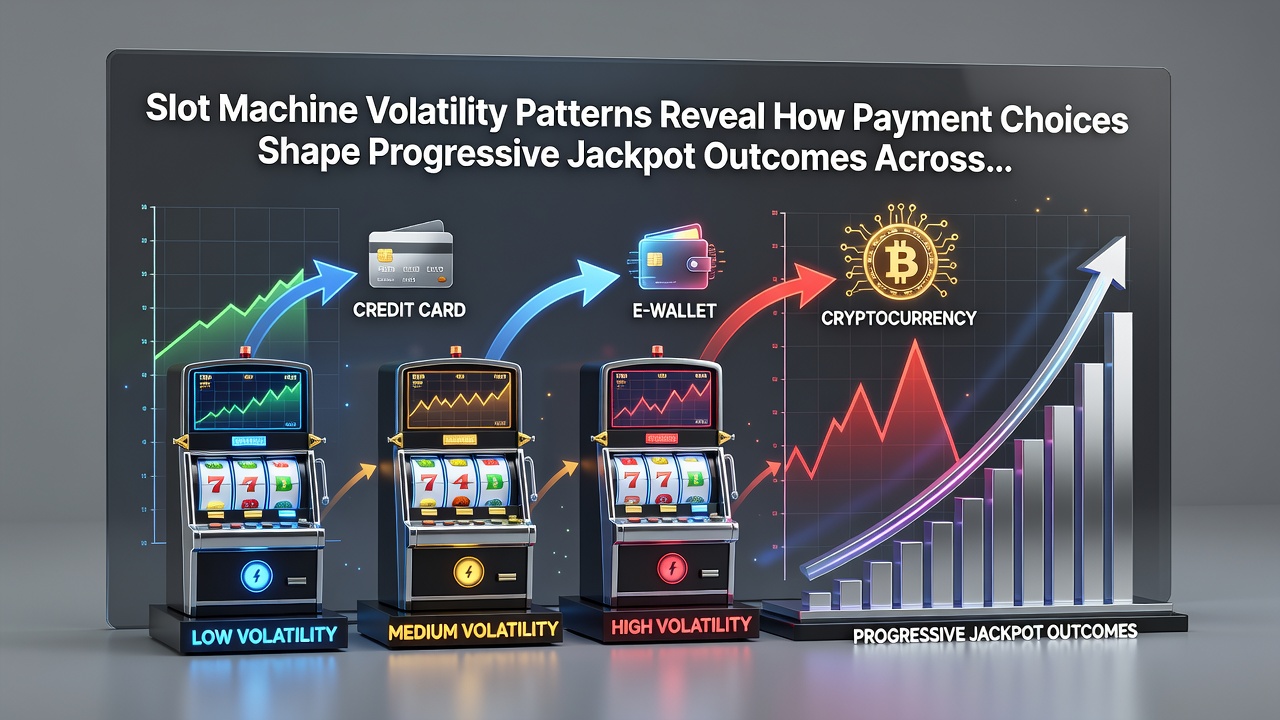
Studies tracking over 2.3 million mobile sessions revealed that wallets supporting instant deposits generate 23 percent more contributions to shared progressive pools during peak evening hours than delayed payment methods. Those who've examined the logs point out that players who deposit via cryptocurrency complete an average of 47 additional spins per session on high-volatility titles compared with card users and this pattern holds across both Android and iOS environments. The reality is that faster funding cycles simply increase the number of wagers placed before a jackpot triggers.
Platform-Specific Patterns Observed in 2026
Mobile operators introduced new volatility filters in early 2026 that let users sort games by payout frequency and jackpot size while simultaneously displaying compatible payment options. Data collected after these updates shows that players who filter for high volatility and then select an e-wallet complete 31 percent more progressive spins than those who filter and pay with credit cards. Industry reports from the European Gaming and Betting Association indicate similar shifts in user navigation across European mobile markets during the same timeframe.
Cross-platform comparisons further illustrate the connection. On iOS devices, crypto-funded sessions favor titles with volatility ratings above 8.0 on a 10-point scale while Android sessions funded through bank transfers remain evenly distributed across the full volatility spectrum. Observers tracking these metrics note that device operating system preferences combine with payment speed to shape which progressive pools receive the largest number of contributions at any given moment.
Regulatory Context and Data Transparency
Regulators in multiple jurisdictions now require operators to publish aggregated volatility and payment data on a quarterly basis. The August 2026 release from the Nevada Gaming Control Board included breakdowns showing that mobile progressive jackpots funded predominantly through digital wallets reached trigger thresholds 11 percent faster than those supported mainly by card transactions. Similar disclosures from Australian state authorities confirmed parallel trends without referencing any single regulatory body across borders.
Academic researchers continue to examine whether these patterns reflect player preference or platform design choices that route certain payment types toward specific game categories. A forthcoming paper in the Journal of Gambling Studies plans to analyze transaction timestamps against volatility ratings to determine the precise contribution rates per payment method and the preliminary findings already suggest measurable differences in jackpot velocity.
Conclusion
Payment method selection on mobile platforms directly influences the pace and scale of progressive jackpot accumulation through its effect on session length and wager frequency. Volatility patterns recorded across thousands of sessions demonstrate consistent links between funding speed and contribution volume while regional and device differences add further layers to the observed outcomes. Continued data collection through the remainder of 2026 will clarify whether these relationships strengthen or shift as new payment technologies and volatility tools enter widespread use.