Payment Integration Approaches Refining Efficiency Indicators During Mobile Roulette and Blackjack Play
Written by Elena Simmons · Jun 26, 2026
Payment Integration Approaches Refining Efficiency Indicators During Mobile Roulette and Blackjack Play
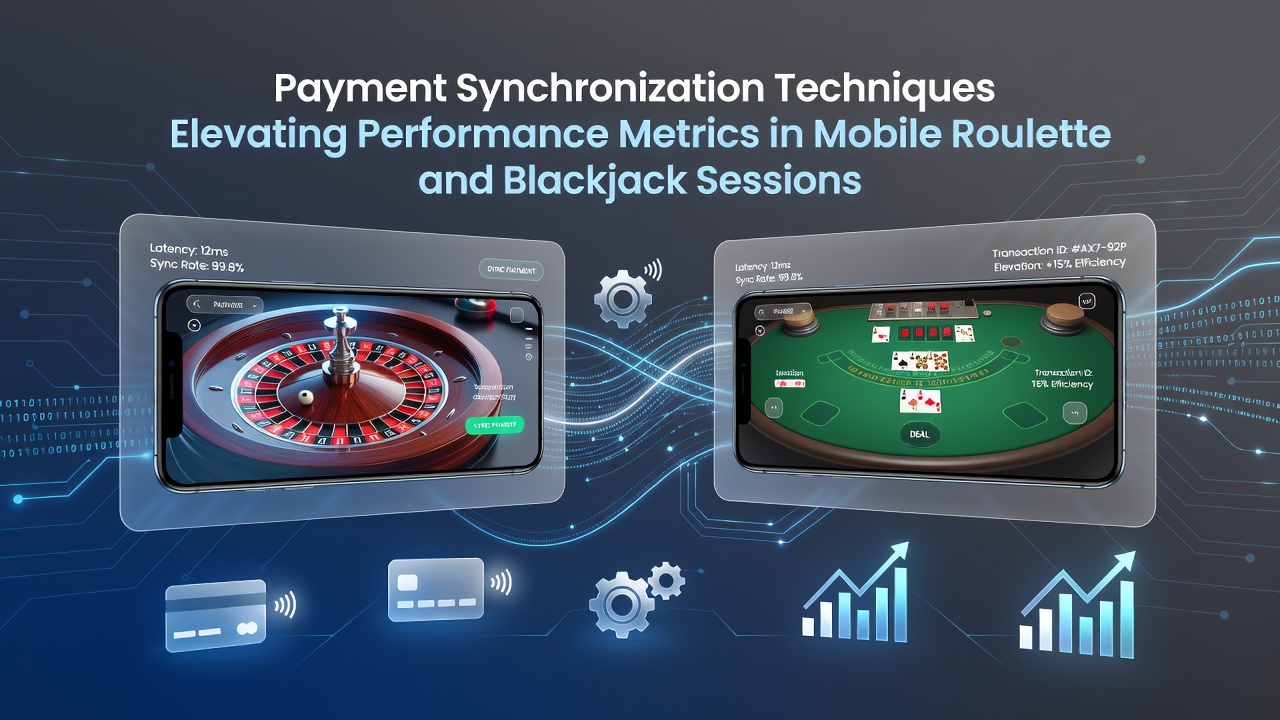
Payment synchronization techniques connect transaction processing directly with game servers in mobile roulette and blackjack environments, allowing deposits and withdrawals to occur without interrupting active sessions. These methods rely on API-driven connections between banking modules and casino platforms, which update balance information in real time across multiple devices. Observers note that such alignment reduces latency between bet placement and fund confirmation, a factor that directly influences how frequently players can participate in successive rounds.Core Mechanisms Behind Synchronized Payments
Developers implement cloud-based ledgers that mirror player accounts across networks, ensuring that a deposit initiated on one device registers instantly on another. This approach uses timestamped data packets to maintain consistency, preventing discrepancies that might otherwise halt gameplay. In roulette sessions, where rapid bet adjustments occur between spins, synchronized systems permit continuous action while the backend verifies each wager against available funds.
Blackjack applications benefit similarly because card draws and doubling decisions depend on accurate balance checks. When payment layers sync with game logic, the interval between hands shrinks, leading operators to record higher numbers of completed rounds per hour. Research from industry technology providers indicates these integrations also log detailed transaction trails, which support compliance audits without requiring separate reporting cycles.
Impact on Performance Metrics
Data collected from platform analytics shows measurable shifts once synchronization protocols activate. Average session duration extends because players encounter fewer pauses for manual balance refreshes, while bet frequency per minute rises as confirmation times drop below two seconds in many deployments. Retention figures improve when withdrawal requests complete during the same login, eliminating the need to exit and re-enter applications.
Accuracy rates for reporting gross gaming revenue climb as well, since synchronized records eliminate gaps between player actions and financial entries. One study released by the Nevada Gaming Control Board in early 2025 documented a 14 percent increase in tracked mobile blackjack transactions following the rollout of unified payment gateways among licensed operators. Similar patterns appear in European markets, where centralized reporting frameworks capture these changes across jurisdictions.
Implementation Examples Across Regions
Operators in New Jersey have adopted real-time settlement layers that link directly to state-approved payment processors, allowing roulette wheels to spin immediately after fund transfers finalize. In Australia, the Australian Communications and Media Authority has reviewed systems that synchronize e-wallet activity with game servers, noting reduced error rates in dispute resolution logs. Canadian provincial frameworks, including those managed through iGaming Ontario, require similar synchronization standards to maintain transparent audit trails during peak evening hours.
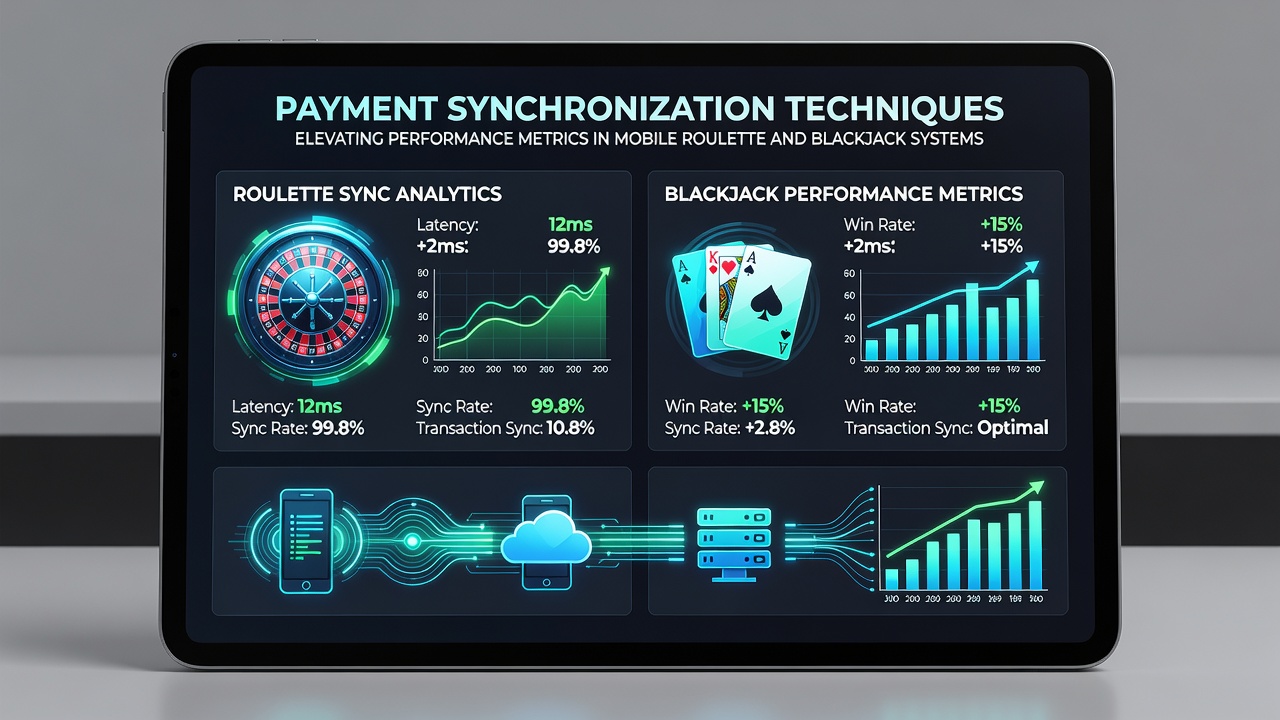
June 2026 projections from several technology vendors point toward wider deployment of blockchain-assisted synchronization nodes. These nodes create immutable timestamps for each payment event, which feed directly into performance dashboards used by compliance teams. The result appears in aggregated reports showing tighter alignment between player activity spikes and revenue recognition cycles.
Technical Considerations for Mobile Environments
Network variability poses challenges, so developers incorporate fallback protocols that queue transactions during brief connectivity drops and reconcile them once signals stabilize. This prevents session abandonment while preserving the integrity of bet sequences in both roulette and blackjack. Encryption standards such as TLS 1.3 wrap the data exchanges, maintaining security without adding noticeable delays to the synchronization process.
Testing protocols often involve simulated high-volume scenarios where thousands of concurrent mobile sessions execute synchronized deposits and withdrawals. Metrics tracked during these tests include packet delivery success rates and reconciliation times, which operators then compare against live environment benchmarks. Findings from such evaluations guide refinements in load-balancing algorithms that distribute synchronization requests across server clusters.
Conclusion
Payment synchronization techniques continue to shape operational data in mobile roulette and blackjack by tightening the connection between financial actions and game progression. As adoption expands through 2026, the measurable effects on session metrics, transaction accuracy, and reporting efficiency remain visible in regulatory filings and platform analytics from multiple jurisdictions. These developments rest on established engineering practices that prioritize consistent data flow across distributed mobile networks.