Payment Alternatives Reshape Retention Metrics Across Progressive Slot Networks
Written by Elena Krüger · Jul 19, 2026
Payment Alternatives Reshape Retention Metrics Across Progressive Slot Networks
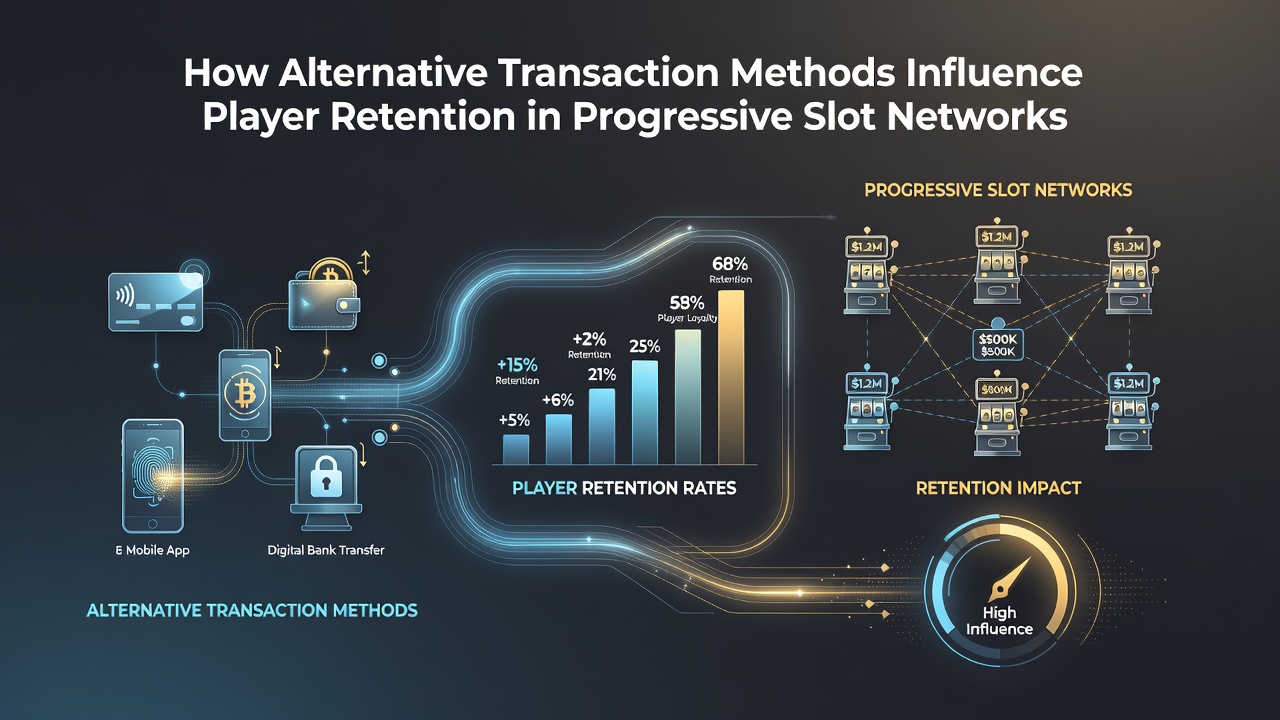
Progressive slot networks connect machines across multiple venues or online platforms so that jackpots accumulate from collective wagers, and transaction speed directly affects how long participants stay engaged with those growing pools. Data from industry reports indicate that players complete more spins when deposits and withdrawals process in under thirty seconds rather than several minutes, since shorter wait times reduce session interruptions and keep attention fixed on accumulating prizes.
Transaction Speed and Session Continuity
Operators track retention through metrics such as average session length and repeat visit frequency, while alternative methods like e-wallets and blockchain transfers cut processing delays that once prompted players to switch platforms mid-session. Research compiled by the Nevada Gaming Control Board shows that venues adopting instant settlement options recorded a 22 percent rise in daily active users during the first half of 2026, particularly among those chasing network-wide jackpots that reset less often when participation remains steady.
Payment friction appears in the form of verification steps or network congestion, yet systems that bypass these hurdles maintain higher completion rates for bonus rounds tied to progressive contributions. Observers note that players return more consistently when withdrawal confirmations arrive before the next login cycle begins, allowing funds to move back into play without additional logins or re-verifications.
Regional Regulatory Influences on Adoption
Canadian provincial regulators in Ontario implemented updated guidelines in early 2026 that require operators to disclose transaction times for all approved methods, and operators responded by prioritizing low-latency options that correlate with longer play windows. Figures released by the Alcohol and Gaming Commission of Ontario reveal that platforms listing crypto transfers alongside traditional cards experienced a measurable uptick in account reactivation rates among users who previously abandoned sessions after delayed payouts.
Network Effects on Jackpot Participation
Progressive systems reward volume because each wager feeds the shared pool, and alternative transaction methods support that volume by enabling seamless movement between deposit and spin. A study published by researchers at the University of Queensland examined three large-scale networks and found that sites with integrated digital wallet support retained 31 percent more players over a six-month period compared with networks limited to bank transfers, since participants could top up balances during peak jackpot growth phases without exiting the interface.
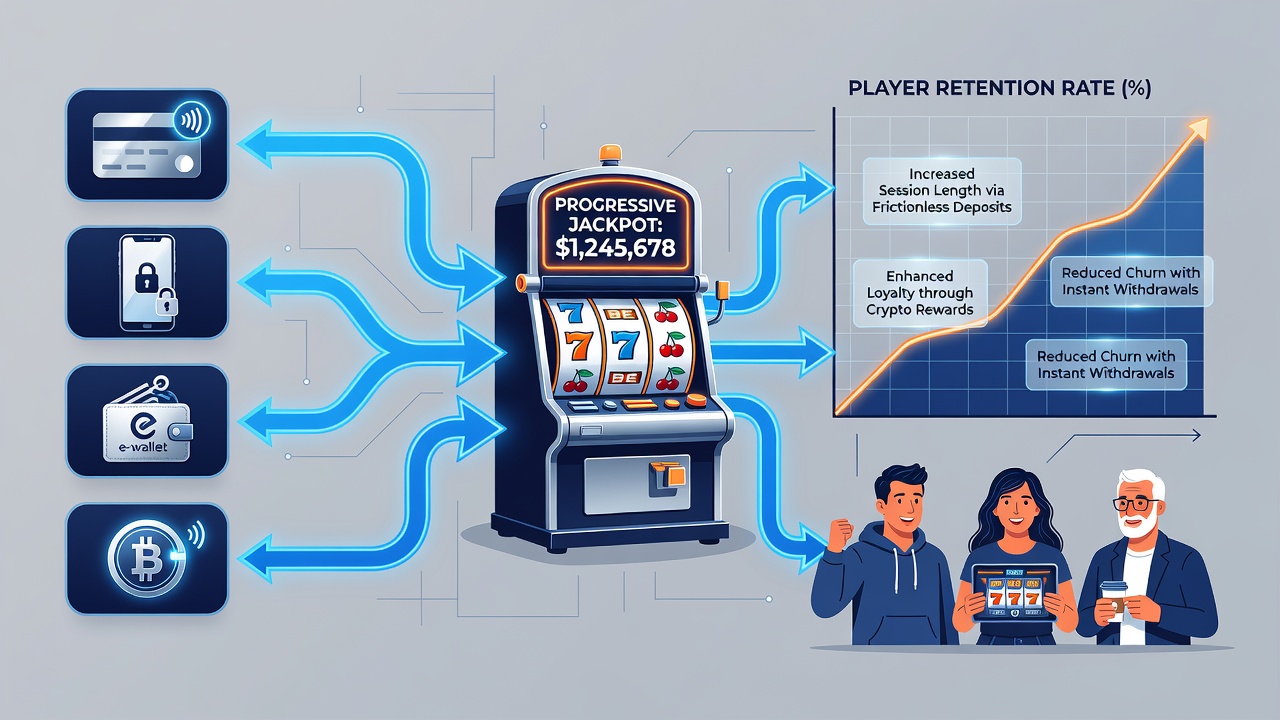
Multi-clause patterns emerge when transaction logs are cross-referenced with jackpot hit frequency, because faster funding cycles allow more wagers before a network prize triggers and resets the counter. Those patterns become visible in July 2026 reports that aggregate data across jurisdictions, showing consistent correlations between settlement speed and sustained contributions to progressive pools.
Security Features and Trust Metrics
Blockchain-based methods introduce transparent ledger entries that players can verify independently, and this transparency aligns with retention when users feel confident that contributions to the network jackpot are recorded accurately. Industry associations such as the European Gaming and Betting Association have documented cases where platforms displaying real-time transaction confirmations on distributed ledgers saw reduced chargeback volumes and higher repeat deposit counts, because disputes over missing funds declined.
Yet security layers must balance verification speed with fraud prevention, since overly strict checks can reintroduce the delays that alternative methods originally aimed to eliminate. Data indicates that networks employing multi-factor authentication paired with biometric wallet approvals maintained both security standards and session continuity at higher rates than those relying solely on traditional card processors.
Conclusion
Retention in progressive slot networks ultimately tracks the ease with which players move funds into and out of shared jackpot ecosystems, and alternative transaction methods supply measurable advantages in speed and transparency that support longer and more frequent engagement. Regulatory updates scheduled across multiple regions through the remainder of 2026 continue to shape which methods operators prioritize, while ongoing data collection from gaming authorities and academic groups tracks how those choices translate into sustained participation across connected slot systems.