Instant Deposits and Their Ties to Extended Roulette Sessions Online
Written by Mara Perry · May 17, 2026
Instant Deposits and Their Ties to Extended Roulette Sessions Online
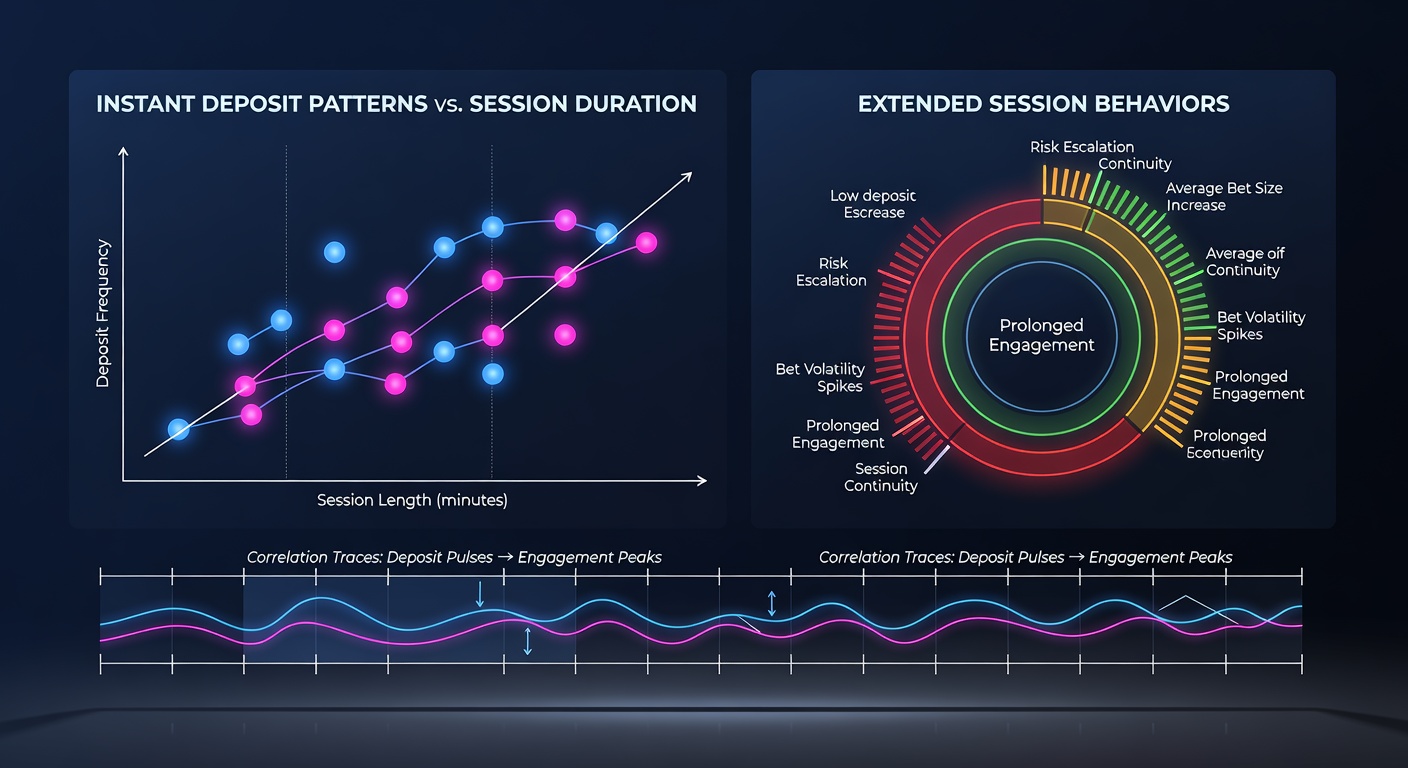
Digital roulette platforms have seen notable shifts in how players fund their accounts and how long those sessions last, with recent analyses pointing to measurable connections between quick deposit methods and extended play times. Observers note that instant deposit options allow users to add funds without leaving the game interface, which in turn supports continuous betting rounds rather than forcing breaks for traditional banking steps. Data from multiple gaming operators shows that players who rely on these rapid transfers often maintain activity for longer stretches compared to those using slower withdrawal-linked methods.
Mechanics of Instant Deposits in Roulette Environments
Modern digital roulette sites integrate payment gateways that process transactions in seconds through e-wallets and similar services, enabling players to resume spins almost immediately after a deposit confirmation. Researchers tracking user logs have found that these seamless additions reduce friction points that might otherwise interrupt momentum during a hot streak or a sequence of calculated bets. In many cases the deposit amount aligns with the player's current chip stack, allowing for direct continuation without recalibrating strategy or taking time to review bank balances separately.
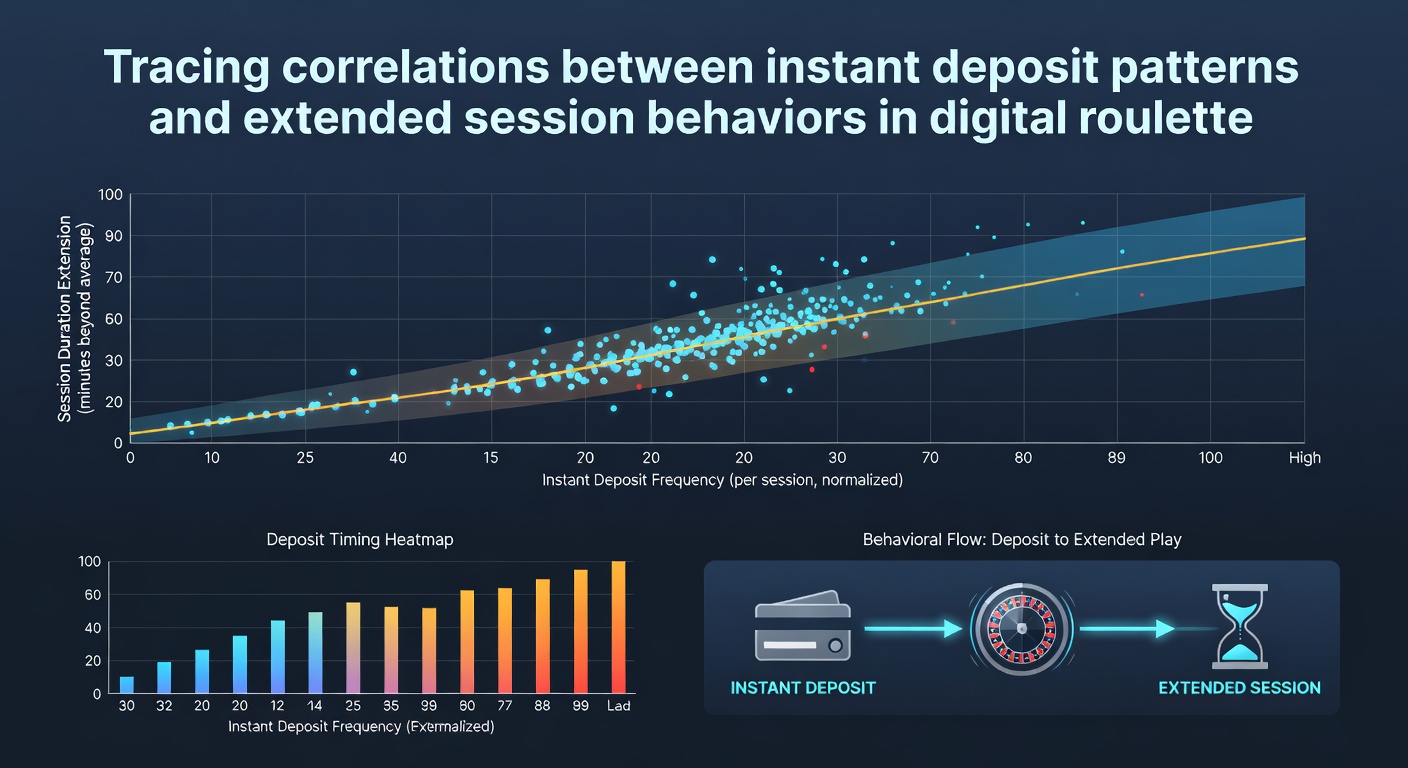
Studies conducted across North American and European markets reveal consistent patterns where instant deposit frequency rises alongside session duration. One analysis of aggregated platform data indicated that users completing at least three rapid deposits within a single login tended to exceed average play lengths by measurable margins. This holds true particularly in environments featuring live dealer streams, where the pace of the game encourages ongoing participation once the initial buy-in has been supplemented.
Observed Correlations with Session Lengths
Platform analytics demonstrate that extended roulette sessions frequently follow clusters of instant deposits, especially when players adjust bet sizes mid-session. Those who've examined transaction records point out that the timing of these deposits often coincides with moments of increased wheel activity, such as after a series of near-misses or successful outside bets. While causation remains complex, the data suggests that the availability of quick funding correlates with players staying engaged for additional rounds rather than logging off after an initial bankroll depletion.
Patterns Emerging in Mid-2026 Observations
By May 2026, tracking tools deployed by several operators recorded a steady uptick in deposit-linked session extensions during peak evening hours across mobile and desktop interfaces. Figures compiled from these systems show that roulette tables with integrated instant payment prompts experienced higher average minutes per user compared to those relying solely on pre-session funding. Experts reviewing the logs noted that players who triggered deposits at regular intervals maintained steadier betting rhythms, avoiding the pauses associated with external banking apps or card verifications.
Take one dataset reviewed by industry analysts where participants using instant options logged sessions averaging forty-five minutes longer than control groups limited to slower methods. This difference appeared most pronounced among users who combined deposits with bonus activation features tied directly to the funding step. Observers have also recorded that repeat instant deposits within the same hour often precede a shift toward higher-stake bets, further prolonging time spent at the virtual table.
Factors Influencing the Deposit-Session Relationship
Several operational elements contribute to the observed links, including interface design that keeps deposit buttons visible throughout play and notification systems alerting users to low balances without exiting the roulette view. According to a report from the American Gaming Association, platforms incorporating these elements report stronger retention metrics in roulette verticals specifically. The report highlights how reduced transaction latency supports continuous engagement without requiring players to navigate away from the game screen.
Additional research from Australian academic sources has examined behavioral logs and found similar trends when instant deposits pair with real-time balance updates. Players receive immediate confirmation of added funds, which in turn encourages further spins rather than prompting a session end. Those reviewing the findings emphasize that the correlation strengthens in environments offering progressive betting options, where extending play becomes a natural response to fresh capital availability.
Regional Data Comparisons and Industry Reports
Comparative studies across jurisdictions illustrate that markets with widespread instant payment adoption show elevated session averages in digital roulette. A Canadian regulatory overview released in early 2026 documented parallel outcomes, noting that operators offering multiple rapid funding channels recorded fewer early exits from roulette games. The patterns align with broader observations that frictionless deposits help sustain player focus across consecutive rounds.
Industry organizations tracking global trends have compiled cross-platform statistics indicating that the correlation holds across both random-number-generated and live-streamed roulette variants. What's significant is how these metrics influence operator decisions around payment integration, with many prioritizing gateways that minimize any downtime between deposit approval and the next spin.
Conclusion
Available evidence points to clear associations between instant deposit usage and extended session behaviors in digital roulette settings. Platform data, regional reports, and operator analytics collectively demonstrate that quick funding mechanisms support longer continuous play periods by reducing interruptions and maintaining betting flow. As tracking methods advance, further details on these relationships continue to emerge from aggregated user records and performance benchmarks.