Digital Transaction Timelines and Their Effects on Mobile Slot Bonus Redemption
Written by Elena Simmons · Aug 21, 2026
Digital Transaction Timelines and Their Effects on Mobile Slot Bonus Redemption
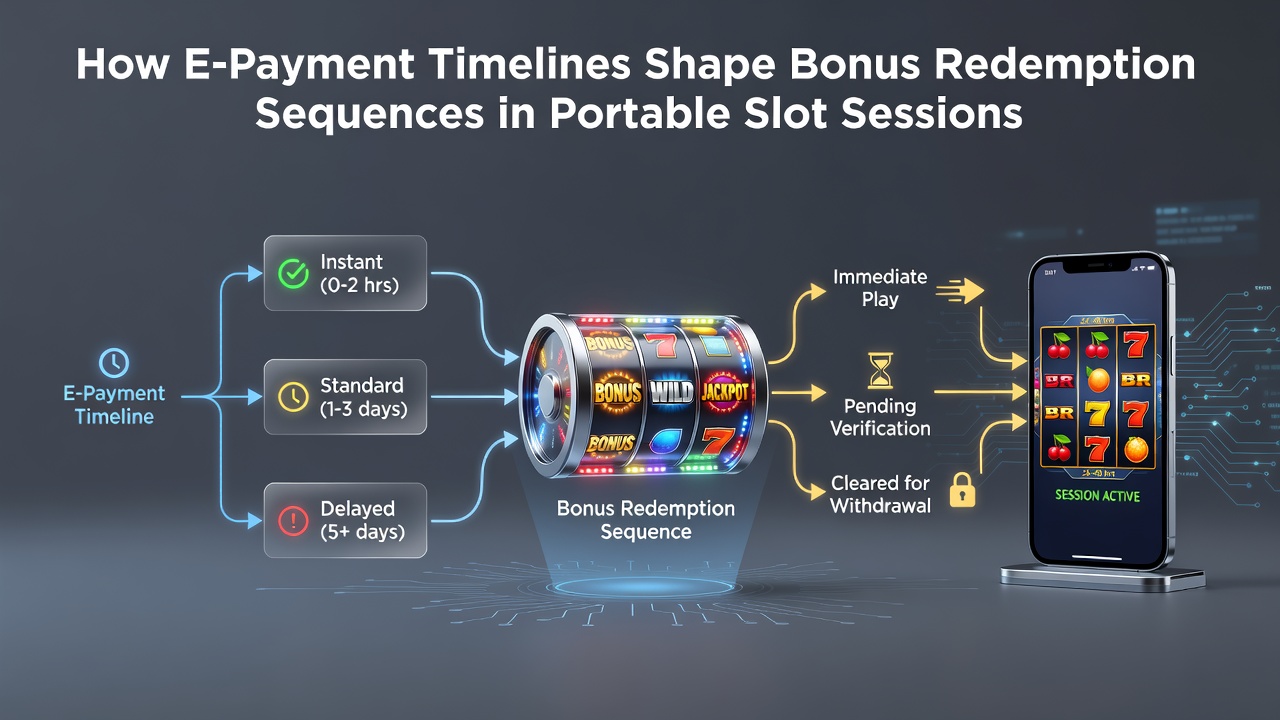
Electronic payment systems now sit at the center of how players access and redeem bonuses during portable slot sessions, and the time it takes for funds to move from wallet to casino account directly shapes when those bonuses become available. Transaction speeds vary by method, with e-wallets often clearing in seconds while bank transfers can stretch across hours or days, and this variation creates distinct patterns in bonus redemption sequences on mobile devices.
Portable slot platforms track deposit timestamps against bonus eligibility windows, so a delay in payment confirmation can push a player past the window for a time-limited offer. Studies from the Australian Gambling Research Centre show that instant e-wallet deposits align more frequently with same-session bonus triggers, whereas slower methods shift redemptions to later logins.
Payment Methods and Processing Windows
Players select from several electronic options, each carrying its own settlement timeline that interacts with mobile session continuity. E-wallets and instant bank apps typically finalize within thirty seconds to two minutes, allowing bonus codes to activate before the current spin sequence ends. Credit card authorizations follow a separate path, often requiring additional verification steps that extend the window by several minutes, and this extension can interrupt the flow of a bonus round that depends on an immediate follow-up deposit.
Research compiled by the Nevada Gaming Control Board in 2025 documented how authorization holds on certain card networks create a measurable lag between deposit initiation and bonus eligibility confirmation. Those lags force players to either wait inside the app or return later, which alters the sequence in which wagering requirements begin to count.
Session Continuity on Mobile Devices
Mobile slot sessions rarely run uninterrupted, and payment timeline differences amplify the effect of those breaks. A player who initiates a deposit during a commute may experience network handoffs that delay confirmation, pushing the bonus activation past the point where the original spin streak could have carried over. Observers note that apps designed with persistent session states mitigate some of this friction, yet the underlying payment infrastructure still dictates whether the bonus attaches to the current play cycle or the next one.
Data from industry reports indicate that sessions using faster e-payment rails show higher rates of sequential bonus redemptions within a single thirty-minute window. Slower rails correlate with redemptions that span multiple separate sessions, often because the player must re-launch the app after the funds appear.
Bonus Structures Tied to Deposit Timing
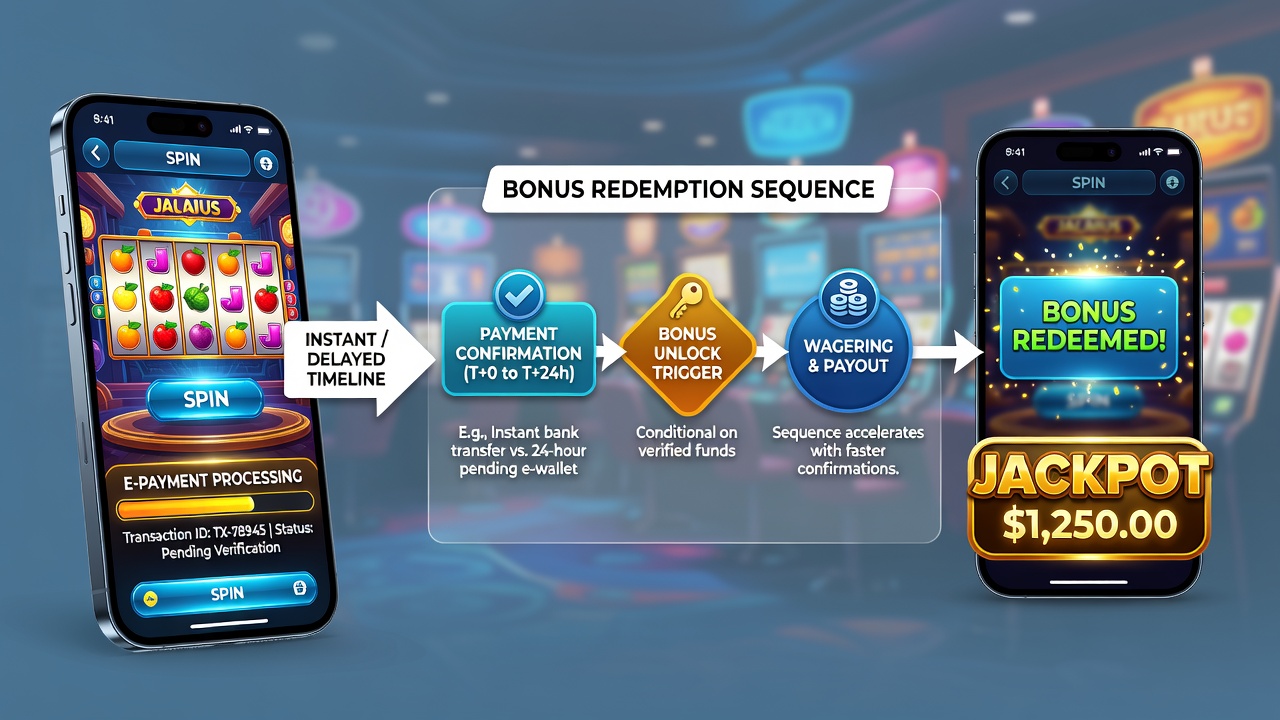
Many portable slot operators structure bonuses around deposit recency, granting extra spins or match percentages only when funds arrive within a defined period after the previous transaction. When an e-payment clears quickly, the system registers the deposit as part of an ongoing sequence and applies the bonus immediately. Delayed payments break that chain, so the player receives the funds but misses the layered multiplier that would have attached to a faster deposit.
Analysts tracking transaction logs in August 2026 reported a noticeable uptick in bonus redemptions that required two separate deposits because the first payment method exceeded the operator's internal timing threshold. Those cases illustrate how payment speed functions as an invisible gatekeeper for cumulative bonus value.
Regulatory and Technical Developments
Regulators across multiple jurisdictions have begun examining how payment timelines intersect wth responsible gambling tools on mobile platforms. The Malta Gaming Authority updated its technical standards in early 2026 to require clearer disclosure of processing times for every supported payment method, aiming to reduce player confusion when bonuses fail to trigger as expected. Similar guidance appears in Canadian provincial frameworks, where operators must now display estimated clearance times at the deposit screen.
Technical integrations between payment processors and gaming engines continue to shorten average confirmation intervals. Real-time bank transfer pilots launched in several European markets during 2025 demonstrated that sub-ten-second clearances allow bonus sequences to remain within a single mobile session far more often than older batch-processing methods permitted.
Conclusion
Electronic payment timelines determine the precise moment a bonus enters a player's account and therefore control whether that bonus participates in the current portable slot sequence or waits for a later one. Faster methods compress the gap between deposit and redemption, while slower methods stretch it, producing measurable differences in how wagering requirements accumulate across sessions. Continued refinement of both payment rails and regulatory disclosure standards will further clarify these interactions for players and operators alike.