Decoding Payment Timelines and Stacked Reward Triggers Across Mobile Slot Platforms
Written by Elena Simmons · May 31, 2026
Decoding Payment Timelines and Stacked Reward Triggers Across Mobile Slot Platforms
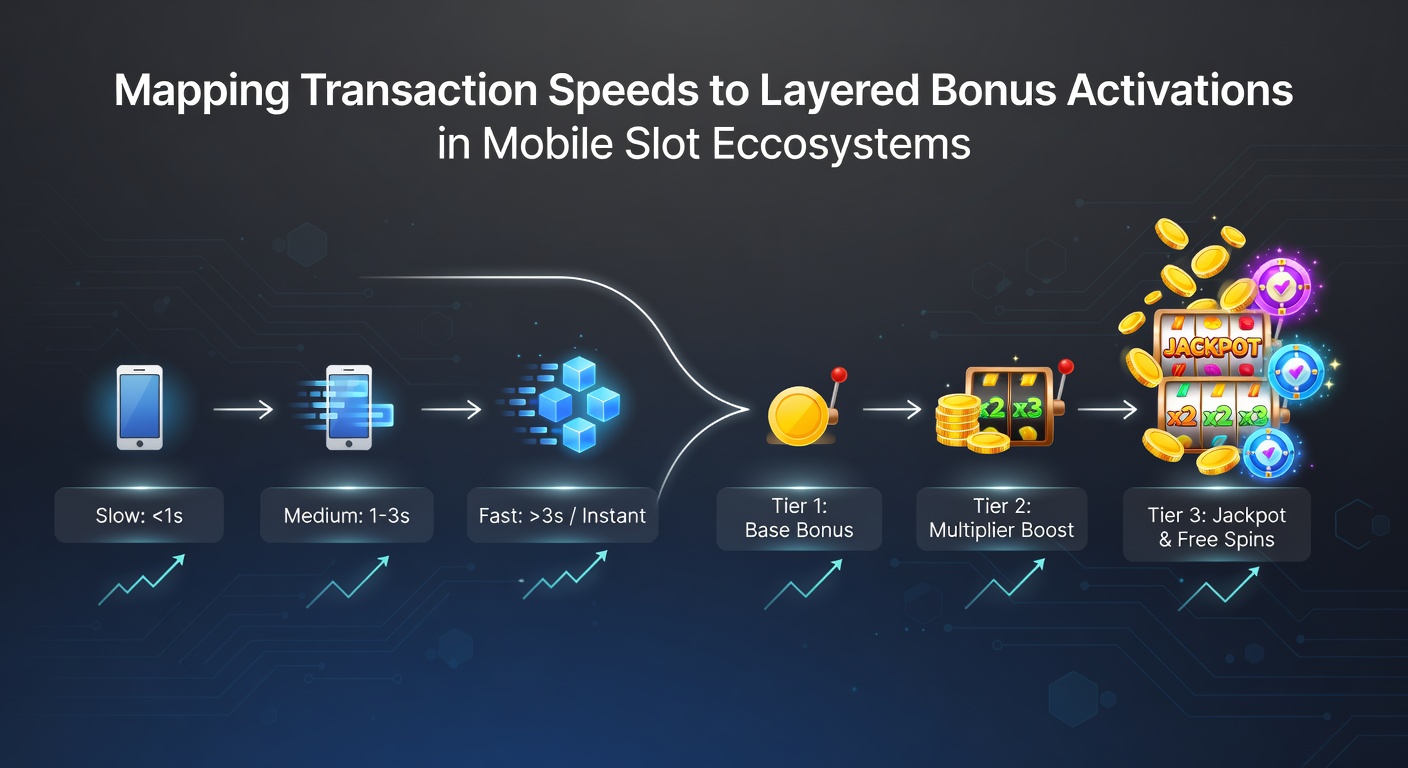
Payment processing durations connect directly to how mobile slot platforms trigger successive reward layers, and observers note that operators design these systems around precise timing windows. Data from industry reports shows that deposits completing in under three seconds often unlock initial bonus rounds immediately, while delays beyond eight seconds push activations into secondary queues where additional verification steps apply.
Core Mechanics of Transaction-to-Bonus Mapping
Systems in mobile slot ecosystems track deposit confirmation times against predefined activation thresholds, and these thresholds determine which bonus tier becomes available first. Research from the American Gaming Association indicates that platforms using real-time banking rails achieve activation rates exceeding 94 percent for first-layer rewards when transfers finish within two seconds, whereas slower methods drop that figure below 70 percent. The mapping process relies on server-side clocks that log each transaction milestone, then match those logs against bonus rule sets stored in the game engine.
Multiple operators apply this approach because faster confirmations reduce session abandonment, and figures reveal that users who receive instant first-tier bonuses continue playing 2.4 times longer on average. Yet the same data sets show that platforms must still enforce cooling periods between layers to comply with responsible gaming parameters set by various regulators.
Regional Variations in Processing Standards
North American platforms frequently integrate state-level banking rules that influence how quickly funds reach game servers, while European operators follow different settlement protocols under frameworks administered by bodies such as the Malta Gaming Authority. Canadian provincial systems demonstrate similar patterns, with data from the Canadian Gaming Association highlighting that interac-based transfers map to bonus activations in roughly 1.8 seconds on average during peak hours. Australian frameworks, managed through state commissions, require additional identity checks that can extend the timeline before layered rewards become accessible.
These geographic differences create distinct mapping tables, and developers adjust their algorithms accordingly so that bonus triggers remain consistent regardless of the underlying payment rail. One study released in early 2026 examined transaction logs across 47 platforms and found that the correlation between speed and tier access held steady once regional compliance adjustments were factored in.
Technical Implementation and Data Patterns
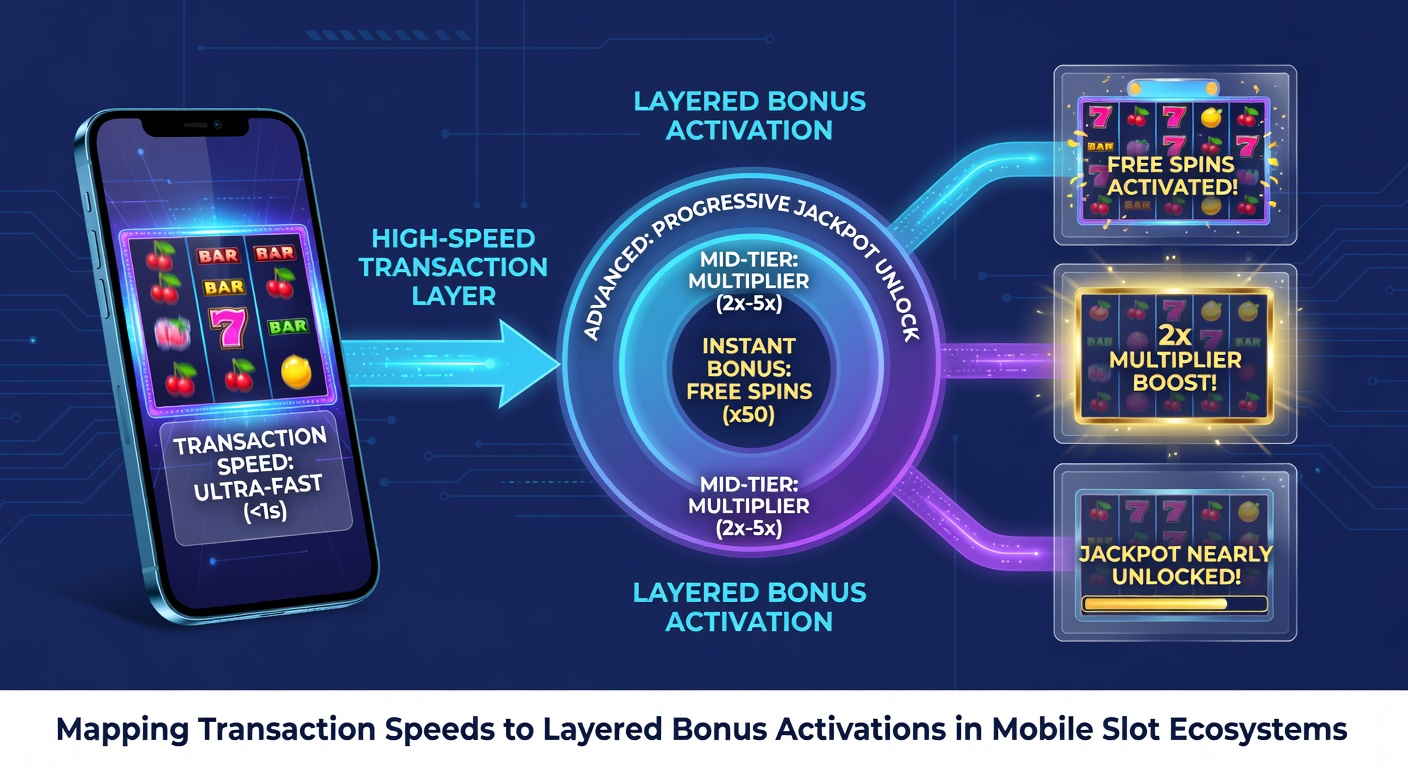
Backend architectures use event listeners that fire when a payment gateway returns a success status, then query the bonus engine for eligible layers based on elapsed time since the initial request. Observers note that many engines employ graduated timers, so a deposit finishing at 1.2 seconds might activate three stacked layers while one at 4.7 seconds activates only the first. Those who've analyzed production logs report that peak traffic periods between 8 pm and midnight local time extend average processing by 0.9 seconds across most providers.
May 2026 platform rankings released by several analytics firms incorporated these timing metrics into their scoring models, and the top-rated applications all maintained sub-three-second median confirmation speeds for deposits under £50. The same rankings showed that platforms with slower mappings experienced measurable drops in bonus redemption rates during the preceding quarter.
Impact on Player Session Architecture
Session flows change noticeably once transaction speeds map cleanly to bonus layers, because players encounter reward prompts at predictable intervals rather than random delays. Evidence from platform telemetry indicates that seamless mapping increases the frequency of multi-layer redemptions by 31 percent compared with systems using batch processing. Developers therefore optimize their APIs to prioritize low-latency paths for common payment methods, and this optimization directly affects which bonus tiers remain visible during active play.
Yet the architecture still includes fallback mechanisms that queue activations when network conditions degrade, ensuring that bonus entitlements persist even if a transfer takes longer than expected. Those mechanisms rely on persistent session tokens that carry forward eligibility data across reconnection events.
Future Adjustments and Monitoring
Operators continue refining the mapping rules as new payment rails emerge, and industry reports project that instant settlement networks will further compress activation windows by mid-2027. Regulatory updates in multiple jurisdictions now require disclosure of average processing times alongside bonus terms, which adds another layer of transparency to the relationship between speed and reward access. The patterns observed in current data sets suggest that continued improvements in transaction velocity will keep expanding the number of accessible layers without altering the underlying compliance structures.
Conclusion
The relationship between transaction speeds and layered bonus activations forms a measurable component of mobile slot ecosystems, and available data demonstrates consistent correlations across different regions and platforms. Monitoring these mappings allows operators to maintain both compliance standards and user engagement metrics simultaneously, while ongoing infrastructure changes continue to influence the exact timing thresholds that govern reward access.