Decoding Algorithmic Patterns in Networked Progressive Systems for Cross-Game Reward Triggers
Written by Elena Simmons · Aug 16, 2026
Decoding Algorithmic Patterns in Networked Progressive Systems for Cross-Game Reward Triggers
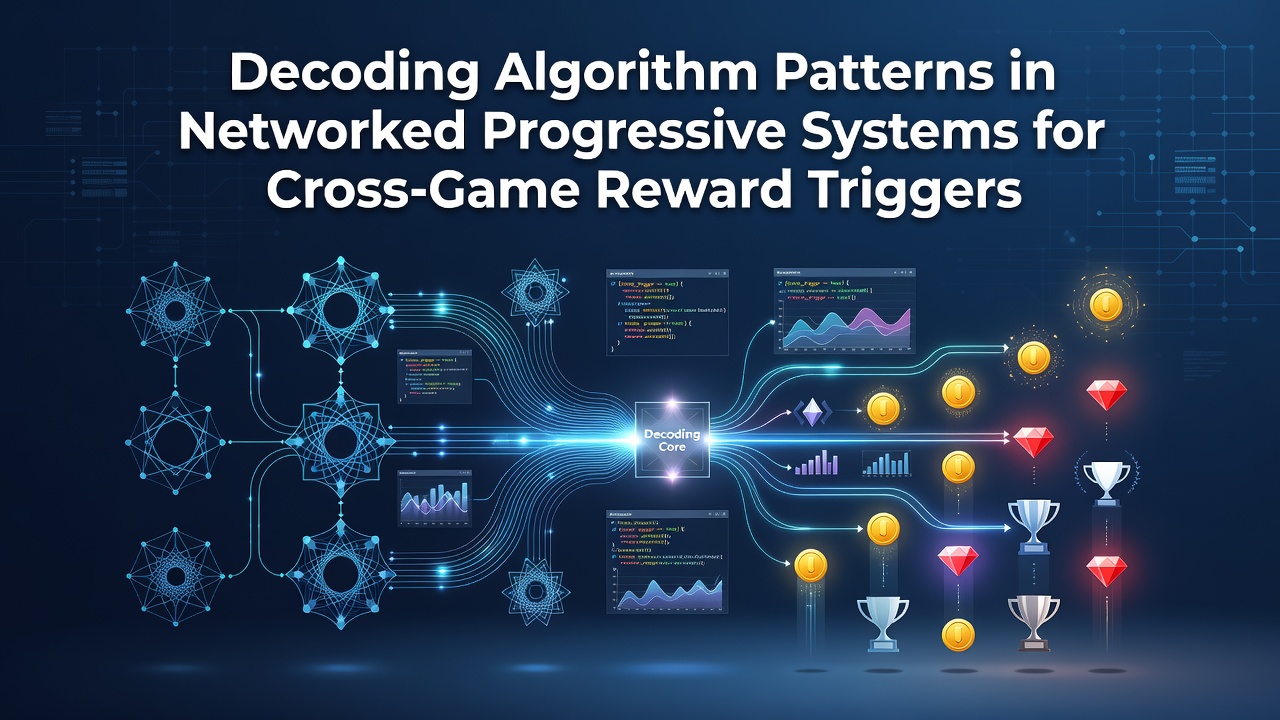
Networked progressive systems operate through linked databases that accumulate contributions from multiple game instances, and these frameworks distribute rewards when specific algorithmic conditions align across platforms. Researchers at various institutions have mapped how these systems track contribution rates, pool sizes, and trigger thresholds using distributed ledger techniques combined with real-time analytics engines.
Core Components of Progressive Network Architecture
Each progressive network relies on a central accumulator that receives fractional inputs from participating games while maintaining synchronization across servers located in different regions. Data indicates that contribution percentages typically range between 0.5 and 3 percent per wager, although exact figures vary by jurisdiction and operator configuration. Observers note that synchronization protocols must handle latency variations, and this requirement leads developers to implement timestamp verification alongside checksum validation to prevent desynchronization events.
Algorithmic pattern detection begins with monitoring seed values generated by pseudorandom number generators, and these seeds feed into secondary functions that calculate both individual game outcomes and collective pool growth. Studies from academic sources show that pattern recognition modules often employ decision trees combined with neural network classifiers to identify sequences likely to produce cross-game activations. Those who have examined production logs find that certain numerical clusters appear more frequently before major reward events, although causation remains separate from correlation in these datasets.
Pattern Recognition Techniques Across Distributed Nodes
Developers apply clustering algorithms to historical transaction records, and these clusters reveal recurring intervals between reward triggers when measured against total wager volume. One approach involves calculating moving averages of pool increments over sliding windows of 10,000 to 50,000 transactions, while another method tracks deviation scores from expected distribution curves. Evidence suggests that combining both techniques improves prediction accuracy for when a cross-game reward trigger becomes statistically probable.
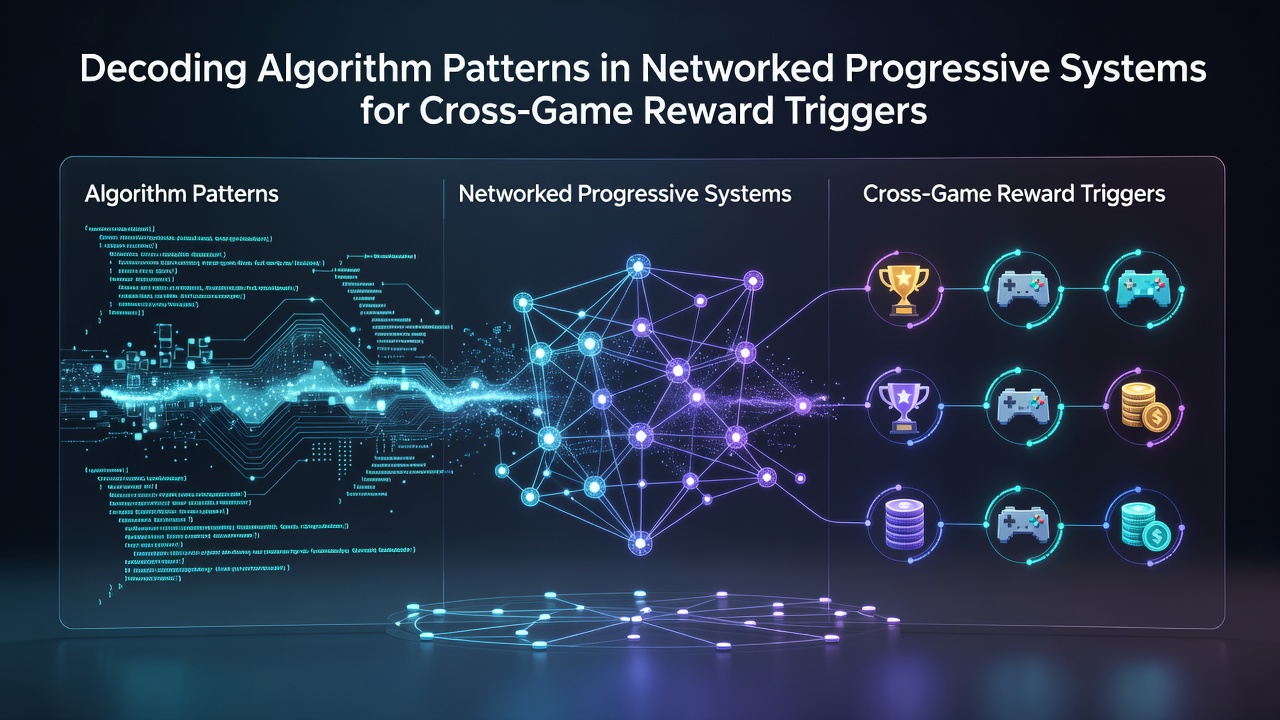
Cross-game triggers activate when multiple independent games satisfy overlapping conditions within a defined temporal window. According to a IEEE research compilation, the most common condition sets include simultaneous high-variance outcomes plus a minimum aggregate contribution threshold. Engineers implement these rules through finite state machines that transition between monitoring, verification, and payout states, and each transition carries audit logs for regulatory compliance.
Implementation Challenges and Observed Solutions
Latency across geographically dispersed servers creates timing discrepancies that can affect trigger fairness, and system architects address this by establishing authoritative time servers synchronized via satellite signals. In August 2026 several North American operators reported successful deployment of quantum-resistant encryption layers around their progressive pools, a step taken after preliminary tests indicated vulnerability to certain cryptographic attacks. Those deployments required rewriting portions of the contribution verification code without interrupting ongoing accumulation cycles.
Regulatory bodies in multiple jurisdictions now require public disclosure of trigger probability formulas, and this transparency allows independent auditors to verify that published odds match actual system behavior. A report issued by the New Jersey Division of Gaming Enforcement documented how one operator adjusted its cross-game parameters after an external review identified a 0.02 percent variance between stated and measured trigger rates. Adjustments involved recalibrating the weighting factors applied to different game categories within the shared pool.
Future Directions in Algorithmic Refinement
Current development focuses on incorporating machine learning models that adapt weighting factors based on real-time player behavior patterns across linked titles. These adaptive systems maintain separate sub-pools for different game genres while still allowing cross-genre triggers under specific mathematical conditions. Data collected through 2025 and into mid-2026 shows increased adoption of such hybrid models among larger network operators.
Conclusion
Networked progressive systems continue to evolve through refinements in pattern detection, synchronization protocols, and regulatory reporting standards. Organizations that maintain these frameworks rely on documented algorithmic structures to ensure consistent operation across multiple games and jurisdictions. Ongoing research from academic and industry sources provides the measurement frameworks needed to validate both performance and compliance as these systems scale.