Aligning Payment Options with Volatility Patterns During Mobile Live Dealer Slot Cycles
Written by Elena Krüger · Jul 1, 2026
Aligning Payment Options with Volatility Patterns During Mobile Live Dealer Slot Cycles
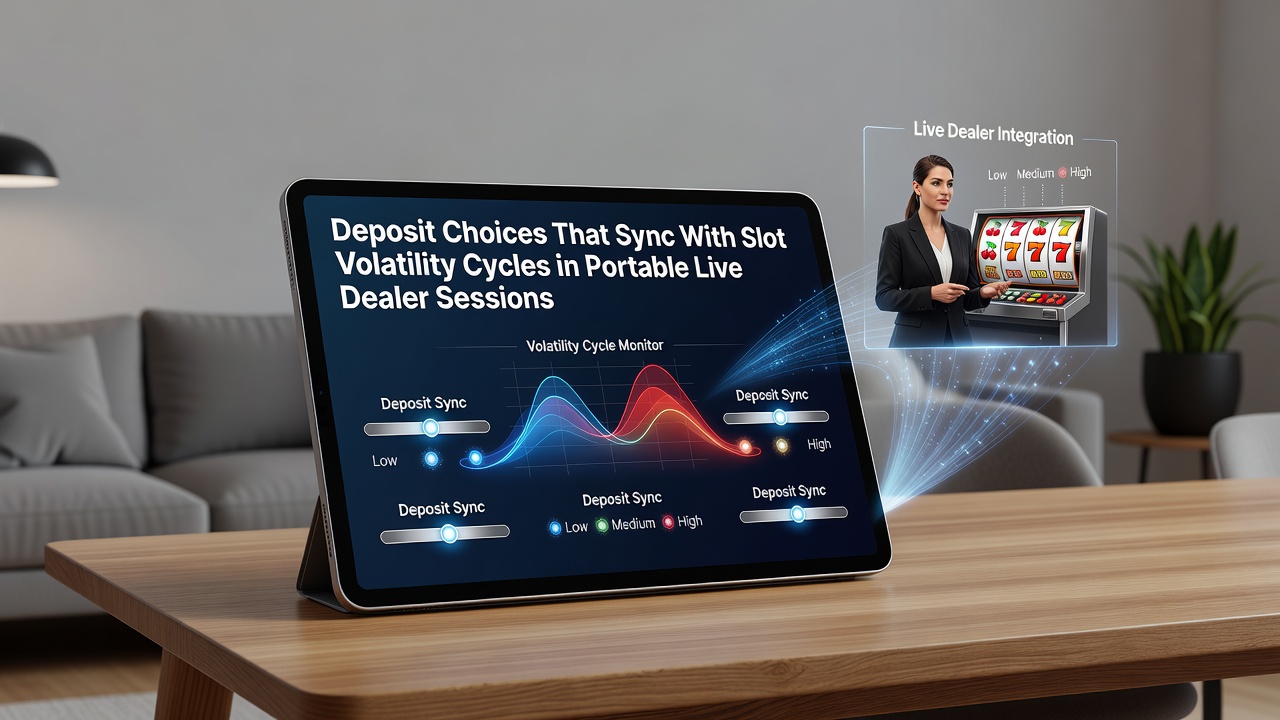
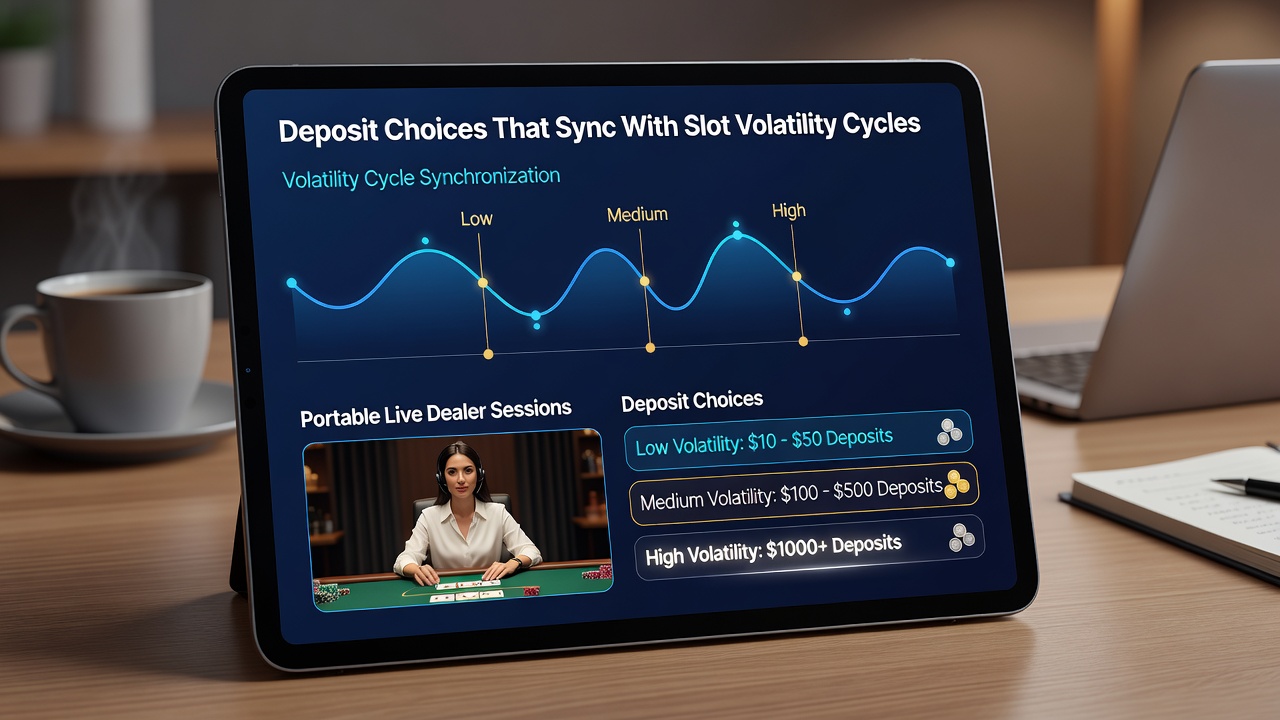
Players encounter distinct volatility cycles when engaging portable live dealer sessions that incorporate slot mechanics, and deposit selections often align with those patterns to maintain session continuity. Data from industry reports indicate that high-volatility slots demand larger initial deposits to sustain extended play sequences, whereas low-volatility options pair with smaller, more frequent funding increments.
Understanding Volatility Cycles in Portable Environments
Volatility in slot components within live dealer formats measures the frequency and size of payouts across mobile connections. Researchers at the University of Nevada, Las Vegas documented how these cycles shift during peak evening hours in July 2026, wth certain titles exhibiting rapid swings between quiet stretches and clustered wins. Portable sessions transmit these patterns through real-time streams, allowing observers to note adjustments in betting ranges that correspond to detected volatility levels.
High-volatility cycles feature infrequent but substantial returns, which require deposit methods capable of handling larger single transfers without processing delays. Low-volatility periods produce steadier smaller outcomes, suiting payment choices that support repeated modest additions throughout a session.
Deposit Method Characteristics and Cycle Matching
E-wallet services process transactions in seconds on most mobile networks, which aligns them with abrupt volatility spikes where quick top-ups prevent session interruptions. Credit card options often include built-in spending limits that match sustained low-volatility play, while cryptocurrency transfers provide fixed confirmation times that suit players tracking longer high-volatility sequences.
Bank transfer systems typically complete within one to three business days according to records from the Australian Communications and Media Authority, making them less common for immediate cycle adjustments yet reliable for planned multi-session funding. Observers note that integration with live dealer platforms allows automatic balance updates visible on portable devices, reducing the need for manual verification during active cycles.
Practical Examples from Recent Sessions
One documented case from a European operator in early 2026 showed participants switching between e-wallet deposits during high-volatility phases and card-based additions in quieter intervals, resulting in uninterrupted access across several hours. Another instance tracked by analysts at the Canadian Gaming Association revealed that users employing instant crypto options maintained higher average session lengths when volatility readings climbed above established thresholds.
These patterns emerge because portable live dealer interfaces display volatility meters derived from recent spin data, prompting users to select deposit sizes that correspond to projected payout distributions. Figures reveal that sessions lasting beyond 45 minutes benefit from diversified funding sources rather than single-method reliance.
Technical Integration with Mobile Platforms
Live dealer software on portable devices incorporates APIs that flag volatility shifts in real time, which deposit gateways can read to suggest compatible funding amounts. This synchronization occurs through encrypted connections that update balances within the same interface used for dealer interactions, eliminating separate app switches.
Network stability affects transaction success rates during mobile sessions, and data indicates that 5G connections reduce failed deposits by measurable margins compared with older standards. Operators therefore recommend testing connection quality before committing to larger transfers aligned with high-volatility expectations.
Regulatory Context in Mid-2026
Updates effective in July 2026 from various international bodies emphasize transparent display of volatility information within live dealer environments. These requirements encourage platforms to present cycle data alongside deposit options, enabling informed choices without altering underlying game mathematics. Compliance reports from multiple jurisdictions show increased adoption of standardized volatility indicators across mobile applications.
Payment providers must also meet security benchmarks that support rapid processing during volatility transitions, with audits confirming that approved methods handle both small and large transfers consistently.
Conclusion
Deposit choices that correspond to slot volatility cycles in portable live dealer sessions rely on matching transaction speed, limits, and confirmation times to observed payout patterns. Available records demonstrate that e-wallets, cards, and digital currencies each serve distinct segments of these cycles when accessed through mobile interfaces. Continued platform refinements scheduled through 2026 maintain focus on seamless integration between volatility displays and funding tools.